Pizza Place Cheyenne Favorites for a Relaxed Evening Out
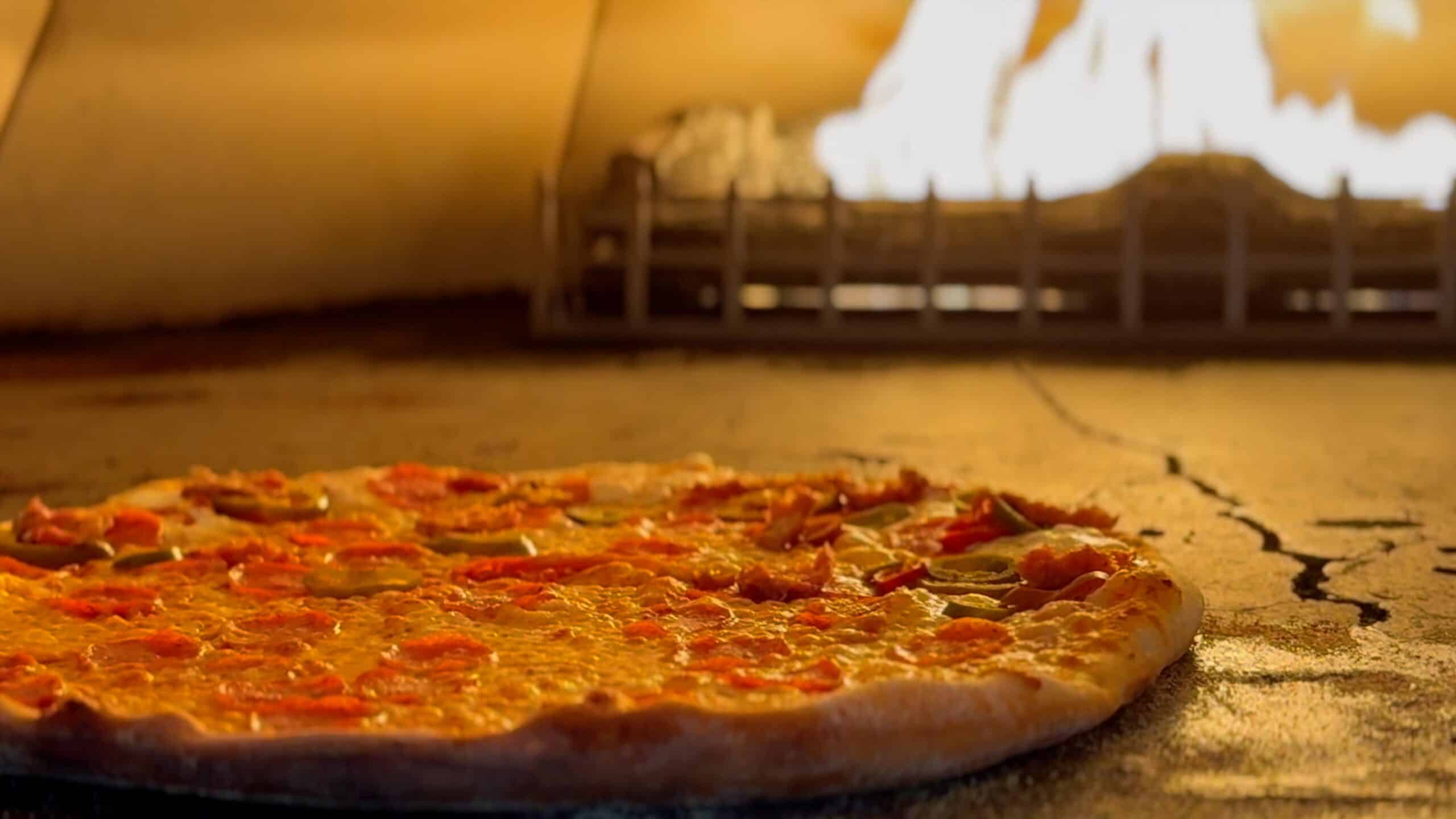
There is a particular kind of dinner people look for at the end of a long day. Not a white tablecloth meal that demands a reservation booked a week ahead. Not a rushed stop where everyone eats in the car with one eye on the clock. A relaxed evening out sits somewhere in the middle. You want good food, enough comfort to settle in, and a setting where conversation does not feel squeezed between the next table and the kitchen door. In Cheyenne, pizza often fits that mood better than almost anything else.
A good pizza night has a way of lowering the stakes. It works for couples who want an easy date, families with different appetites, coworkers meeting after work, or friends trying to catch up without making a production of it. The best part is that pizza can be casual without feeling forgettable. When a place gets the crust right, balances the sauce, and pays attention to the room as much as the menu, it becomes the kind of local favorite people return to almost on autopilot.
That is the real appeal behind finding a reliable pizza place Cheyenne locals actually enjoy. It is not only about whether the pepperoni curls at the edges or whether the mozzarella stretches the right way. It is also about parking that is not a headache, staff who know how to pace a table, booths that invite you to stay another twenty minutes, and enough range on the menu to make a group decision painless.
What makes a pizza night feel genuinely relaxed
The word “relaxed” gets used loosely in restaurant writing, but in practice it means a few very concrete things. You walk in and the room does not feel frantic. The noise level lets people talk without leaning across the table. The service lands in the sweet spot, present when you need it, invisible when you do not. Food comes out hot, but not with the kind of speed that suggests it was sitting under a lamp waiting for a table to clear.
In pizza restaurants, the details matter even more because the format is so familiar. Most people already know what they want from the category. That means small failures stand out. A soggy center on a loaded pie, a crust that turns tough after five minutes, lukewarm dipping sauces, or a dining room with hard chairs and fluorescent lighting can turn a promising evening flat. By contrast, a place that nails the basics feels easy in the best way.
Cheyenne’s dining scene has room for that kind of experience. You can find places that lean family friendly, spots better suited for a laid-back date, and pizzerias that function almost like neighborhood living rooms. The favorites tend to earn that status through consistency rather than flash. People forgive a lot when the atmosphere is good and the pizza arrives exactly as expected, but pizza place cheyenne they remember the places that make the whole outing feel smooth from start to finish.
The dining room matters almost as much as the pie
When people talk about the best pizza they have had, the conversation usually starts with toppings or crust style. Fair enough. Still, if the goal is a relaxed evening out, the room itself deserves equal billing.
Some pizza places are built for quick turnover. They use bright lighting, small tables, and a layout that keeps traffic moving. That can work fine at lunch. It is less appealing when you want to linger over a second drink or let kids finish a basket of garlic knots while the adults keep talking. A stronger choice for the evening usually has a little softness built into the experience, booths instead of backless stools, enough space between tables, music low enough to ignore, and a pace that does not make you feel managed.
This is where local judgment matters more than broad rankings. A place can have excellent pizza and still not be right for a relaxed night. I have eaten at technically strong pizzerias where the dining room felt like a train station. I have also had very good, not transcendent, pizza in restaurants people love because they simply feel good to spend time in. If you are choosing a pizza place Cheyenne residents recommend for an evening out, ask how it feels at 6:30 p.m., not only how the food tastes at noon.
A useful test is whether the restaurant works equally well for two people and for six. If a room can absorb both without anyone feeling cramped or misplaced, it usually has the right balance. That flexibility is one reason pizza remains such an easy social meal. One large pie, a salad, maybe an appetizer, and suddenly the table has a rhythm. People reach, share, react, and settle in.
Crust style sets the tone more than people realize
Not every pizza suits the same evening. Thin, crisp pies with restrained toppings have a different mood from heavier pan pizzas loaded with cheese and sausage. Neither is inherently better, but the style changes the experience.
A thinner crust often feels lighter and more conversational. People can split a pie, add a second one if needed, and leave dinner satisfied rather than weighed down. That makes it a good fit for dates or smaller groups where tasting and sharing are part of the fun. A thicker crust or deep pan version brings more heft and often more richness. That can be perfect on a cold Wyoming evening, especially when the table wants comfort food and no one is in a hurry.
The strongest pizzerias understand their lane. They do not try to be every style for every customer. If a place specializes in a chewy, blistered crust with a little char, the menu should support it with toppings that do not drown the base. If the house pie is thicker and heartier, the sauce and cheese have to pull more weight without tipping into grease. Restaurants that know this tend to be the ones people revisit. Consistency creates trust, and trust is half of what makes a relaxed dinner possible.
Why groups often choose pizza even when nobody says it out loud
There is a practical reason pizza wins so many evening debates. It solves friction before it starts. One person wants meat, another wants vegetables, someone is trying not to eat anything too heavy, and somebody else just wants comfort food after a rough day. Pizza handles all of that with less negotiation than almost any other menu category.
That matters in a city where people often meet after work, after games, or after running errands across town. By the time everyone arrives, appetite and patience are not at their peak. A good pizza place keeps those minor social pressures from becoming major ones. The menu is familiar, the portions are easy to share, and the bill usually stays predictable.
Here are the signs that a pizza restaurant is likely to work well for a low-stress evening:
- It offers more than one size, so couples and larger groups can order without waste.
- The kitchen handles modifications cleanly, which helps with mixed diets and picky eaters.
- Seating includes booths or roomy tables rather than only tight two-tops.
- Service is attentive without rushing the table between courses.
- Parking and pickup access are simple enough that arriving does not start the night on a sour note.
Those points sound ordinary because they are. Ordinary done well is what turns a restaurant into a dependable favorite.
Family nights need a different kind of comfort
A relaxed evening out with children is not the same thing as a relaxed evening out for adults only. Parents tend to value tolerance, speed, and menu flexibility above trendiness. They want enough activity in the room that a little noise goes unnoticed, but not so much chaos that the meal becomes management instead of enjoyment.
Pizza naturally helps because it is familiar to most kids, and even selective eaters can usually navigate cheese, pepperoni, or a plain crust. The better family-oriented places in Cheyenne typically go beyond that baseline. They keep the menu broad enough for adults who want a salad, pasta, wings, or a sandwich with their slice. They bring refills before being asked twice. They understand that a table with children may need food paced a little differently.
There is also something to be said for the emotional side of it. Families often return to restaurants where they do not feel judged. A pizzeria that greets regulars warmly, accommodates a stroller without fuss, and treats a birthday dinner with casual kindness creates loyalty fast. For many households, the favorite pizza place Cheyenne offers is not the one with the most elaborate toppings. It is the one where everyone can exhale.
For date night, small touches go a long way
Pizza and date night make more sense together than some people admit. Shared food lowers formality. A good pie in a comfortable room gives a couple space to actually talk, which is not always true in louder bars or trend-driven spots where the whole point seems to be being seen.
The trick is choosing a place with enough polish to feel intentional. That does not mean expensive. It means clean tables, thoughtful lighting, a drink list that includes at least a few solid beer or wine options, and a menu that gives you room to build a meal rather than only order a pie and leave. An appetizer, a fresh salad, and one well-made pizza can carry a date night beautifully when the service is steady and the room has some warmth.
I have seen couples make the mistake of choosing the busiest, most popular pizzeria on a Friday night thinking popularity guarantees atmosphere. Often it guarantees a wait, a louder room, and staff stretched thin. A better strategy is to pick a place known for consistency and go slightly earlier or slightly later than peak time. That small timing shift can change the entire experience, especially in a casual restaurant.
What regulars usually notice before visitors do
Visitors tend to judge a restaurant by the first pie they order. Regulars pay attention to the second and fifth visit. That is where deeper quality shows itself.
For instance, does the crust hold up on different toppings, or does it only perform well on a basic cheese pizza? Does the sauce taste bright and balanced every time, or does it swing between sweet and flat depending on the night? Does the dining room stay reasonably clean during the rush? Can the staff recover gracefully when a kitchen delay happens? These are not glamorous questions, but they separate short-term favorites from places with staying power.
Regulars also notice whether the restaurant understands its community. In Cheyenne, that can mean practical things like serving generous portions after local events, managing large family tables without visible strain, or offering take-and-bake or easy carryout options for nights when eating out turns into eating at home. A strong pizzeria often becomes part of people’s weekly rhythm because it adapts to the way they actually live.
Food quality is not only about premium toppings
Pizza menus often advertise specialty meats, artisan cheeses, house-roasted vegetables, or imported ingredients. Those can be worthwhile, but they are not the first marks of quality. In everyday restaurant work, basics tell the truth.
A good crust should have structure, flavor, and contrast. Crisp outside, tender inside, or at least a deliberate version of that based on style. Sauce should taste of tomatoes and seasoning, not only sugar or dried herbs. Cheese should melt evenly and support the pie rather than blanket it into sameness. Toppings need proportion. Too little and the pizza feels stingy. Too much and the slices collapse under their own weight.
There is also a discipline to baking that casual diners can sense even if they cannot name it. The best pizzas arrive looking composed. The cheese is browned where it should be, the edge has color, and the center is cooked through. When that happens consistently on a busy night, it says more about the kitchen than any menu description ever will.
Drinks, sides, and the overlooked parts of a relaxed meal
People do not always remember the exact topping combination they ordered, but they remember whether the whole meal pizza place cheyenne felt complete. That is where appetizers, salads, desserts, and drinks earn their place.
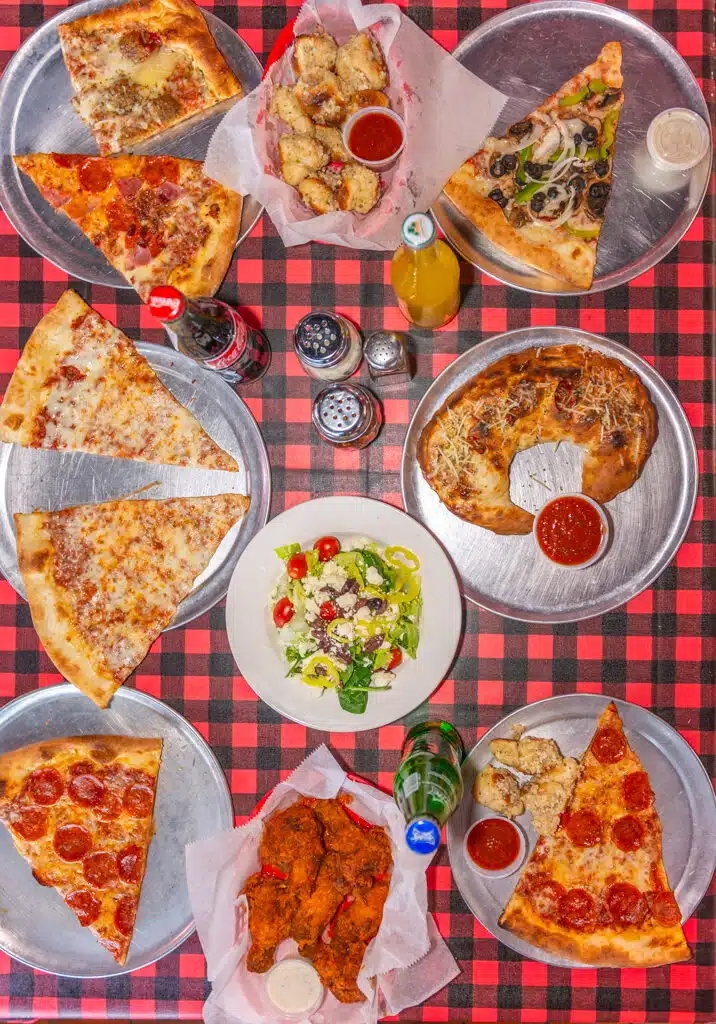
A pizzeria with a good house salad and a few solid starters immediately becomes more useful for a broader range of outings. Wings, breadsticks, or baked cheese bread are obvious crowd-pleasers, but freshness matters. A salad with crisp greens and a balanced dressing can keep the meal from tipping into excess. Dessert does not have to be ambitious. Even something simple, done well, extends the table in a pleasant way.
Drinks shape the pace too. Beer is the classic pairing for a reason, especially with saltier meats and rich cheese, but wine or sparkling water can make the meal feel more deliberate. If a place offers local beers or keeps a short, sensible wine list, that often signals care. It is less about sophistication than about thoughtfulness. Restaurants that think through the small parts tend to think through the big parts too.
Timing your visit can change the experience
The same restaurant can feel completely different depending on when you walk in. That is true of almost any dining category, but pizza places are especially sensitive to volume spikes. Families, sports teams, pickup orders, and delivery demand often hit at once. A calm room at 5:15 can become hectic by 6:45.
If your goal is a relaxed evening, timing is not a minor detail. Early dinner usually offers the easiest parking, shortest wait, and best chance of unhurried service. Later evening can work well too, especially for adults who want a quieter room after the family rush. The least forgiving window is often the center of prime time, when every table turns over at once and the kitchen is managing dine-in and takeout simultaneously.
A few occasions when pizza tends to work especially well include:
- a low-pressure weeknight date after work
- a family dinner when everyone wants something familiar
- a casual meet-up with friends before a local event
- a birthday meal for mixed ages and appetites
- a Sunday evening when cooking feels like too much effort
There is no magic time that suits every restaurant. Still, understanding the rhythm of a local place often gives you a better night than chasing whatever time seems most popular.
Carryout still matters, even when you plan to dine in
This may sound secondary in an article about evenings out, but a pizzeria’s carryout operation often reveals a lot about its overall competence. Places that package well, quote realistic wait times, and keep the front counter organized usually run the dining room with similar discipline. Places that let pickup orders stack into confusion tend to show the same cracks on the floor.
It also matters because plans change. Weather turns, a child gets tired, or half the group decides they would rather finish the night at home. A restaurant that can pivot from dine-in to carryout without drama is surprisingly valuable. In practical terms, that flexibility makes people more willing to choose it in the first place.
For locals, this is one reason the phrase pizza place Cheyenne keeps surfacing in everyday conversation. People are not only asking where to get a decent pie. They are asking where they can trust the whole transaction, from arrival to leftovers.
How to choose your own favorite, not somebody else’s
The most praised restaurant in town is not automatically the best one for your kind of evening. Personal fit matters. If you value quiet conversation, a bustling sports-heavy pizzeria may wear thin, even if the food is excellent. If you want a lively family meal, a smaller, more intimate place might feel too restrained. Some diners care most about crisp New York style slices. Others want the kind of substantial, cheesy pie that makes leftovers part of the plan.
A smart approach is to judge a pizzeria against the evening you actually want. Think about who is coming, what time you are going, and whether the group wants a quick dinner or a place to settle in. Then look for the restaurant whose strengths match that picture. Great dining decisions are usually less about abstract best and more about appropriate best.
That is especially true in a city like Cheyenne, where local restaurants often build loyal followings by serving a specific need very well. One place becomes the family standby. Another is the easy weeknight date spot. Another handles larger groups with almost no friction. A favorite earns that title because it solves a real problem while still delivering pleasure.
When you find that kind of pizzeria, you stop treating dinner like a decision tree. You simply go. The room feels familiar, the staff knows the flow of the night, and the pizza arrives exactly as hoped. For a relaxed evening out, that sort of confidence is hard to beat.
Ruffrano's Hell's Kitchen Pizza Cheyenne
Address: 1670 E Cheyenne Mountain Blvd, Colorado Springs, CO 80906
Phone number: +17195764355
FAQ About Pizza Place Cheyenne
What's the most popular pizza place?
The "most popular" pizza place depends on whether you measure by location count, total sales, or customer favorite status.
What is the 2 pizza rule?
The two-pizza rule is a management principle made popular by Amazon founder Jeff Bezos. It states that a team or meeting should never be larger than what can be fed with two large pizzas—typically translating to a group of 5 to 10 people (or roughly 6 to 12 people depending on appetites).
Is 2 pizzas enough for 10 people?
No, 2 pizzas are usually not enough for 10 people.